
All blogs
Every full length (longer than 60 seconds) video and accompanying blog post
The Most Dangerous Place to Cook on the Mountain
When we get into challenging climbing in mountain environments space, weather, and other constraints might necessitate that we get our calories in while in the relatively secure confines of our camping tent. How can we do that given all the risks that come from cooking with a camp stove when enclosed? Well, here's what you should never do.
DIY Hanging Kit for Your Camping Stove
Most commercial hanging kits for camping, backpacking, and climbing stoves are minimalist and light. They can be because they typically fit integrated stoves - where the stove and pot couple securely. This improves safety by containing the flame and creating stability. Can we design a hanging kit for a non-integrated stove that will bring us a similar safety profile?
Camping Stove Survival Test | Cold Weather Breakdown
Integrated stoves for camping, backpacking, and climbing transfer heat very effectively, reducing fuel demands. But the integrated stove and pot are often heavy. There are people who prefer lighter backpacking stoves, but to make alpine-ready hanging kits, they often need a heavier and more robust design to transfer heat and keep open flames away from gear. So, I ran a test on some store-bought integrated stoves with hanging kits, and some DIY hanging kits with backpacking stoves to see where the weight and performance tradeoffs may end up.
Self Arrest Technique Without an Ice Axe
Self arrest is a very necessary climbing skill if we are on moderate angled snow slopes like snow-filled gullies, or couloirs, or ridge walks above sloping mountain faces. That technique, at its best, demands proper use of an ice axe, but if we don't have or have dropped our axe, we shouldn't just give up. As a last-ditch effort to avoid having a slip become a fall, here are three techniques that don't require an ice axe.

The One Axe Difference on Snowy Terrain
If we decide that end roping may be the right method for taking on moderately technical snow terrain on a climb, we may want to pack one axe more than we have climbers. It offers up some flexibility in deploying our end roping system. Here's why and how.
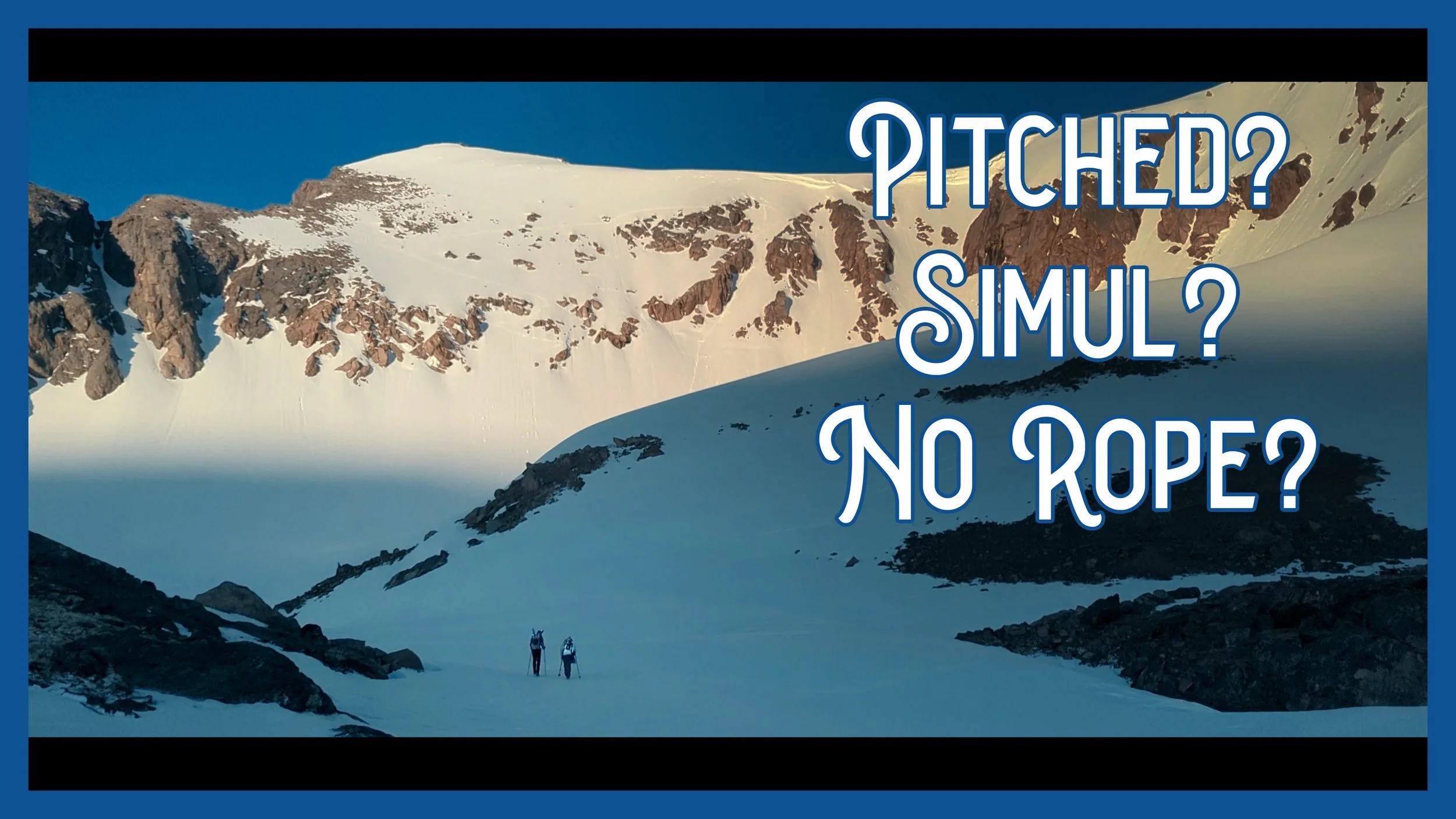
Snow Climbing: Rope Choices That Save Lives
When we are climbing on snow or a glacier, we may have to consider rope systems for both crevasse falls and the more standard falls that simply come from difficult climbing moves. Factor in maintaining a pace that can get us to the summit and back before conditions deteriorate, and we have a lot to consider. Here is how I begin to approach that complexity.
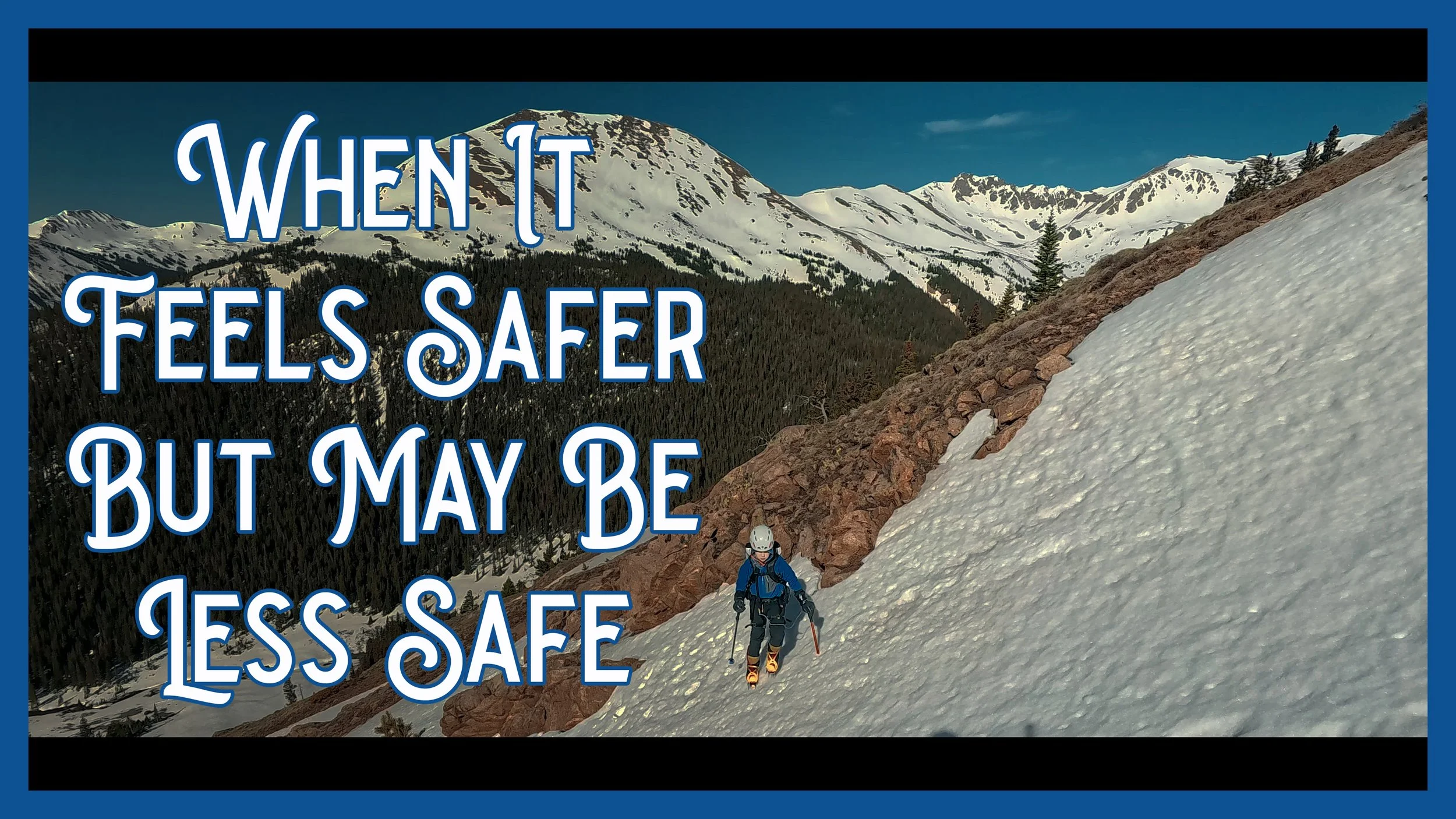
The Rope Team Mistake That Kills Climbers
When we cross crevassed terrain, we often rope together to allow us, as a team, to catch a fall of a teammate. But that same strategy of being roped together might compound risk, not reduce it, if we use it on standard snow slopes. Let's talk about why and what choices we might make to alter our safety systems for the better.
FDA's Surprise Frostbite Approval | The Numbers Are Shocking
A drug that has been used for years to treat pulmonary hypertension has also been used for years in Canada and Europe to help with frostbite. Well, the FDA fairly recently approved its use in the United States, so let's talk about what evidence we have to support its use as well as some of the shortcomings of the supporting studies.
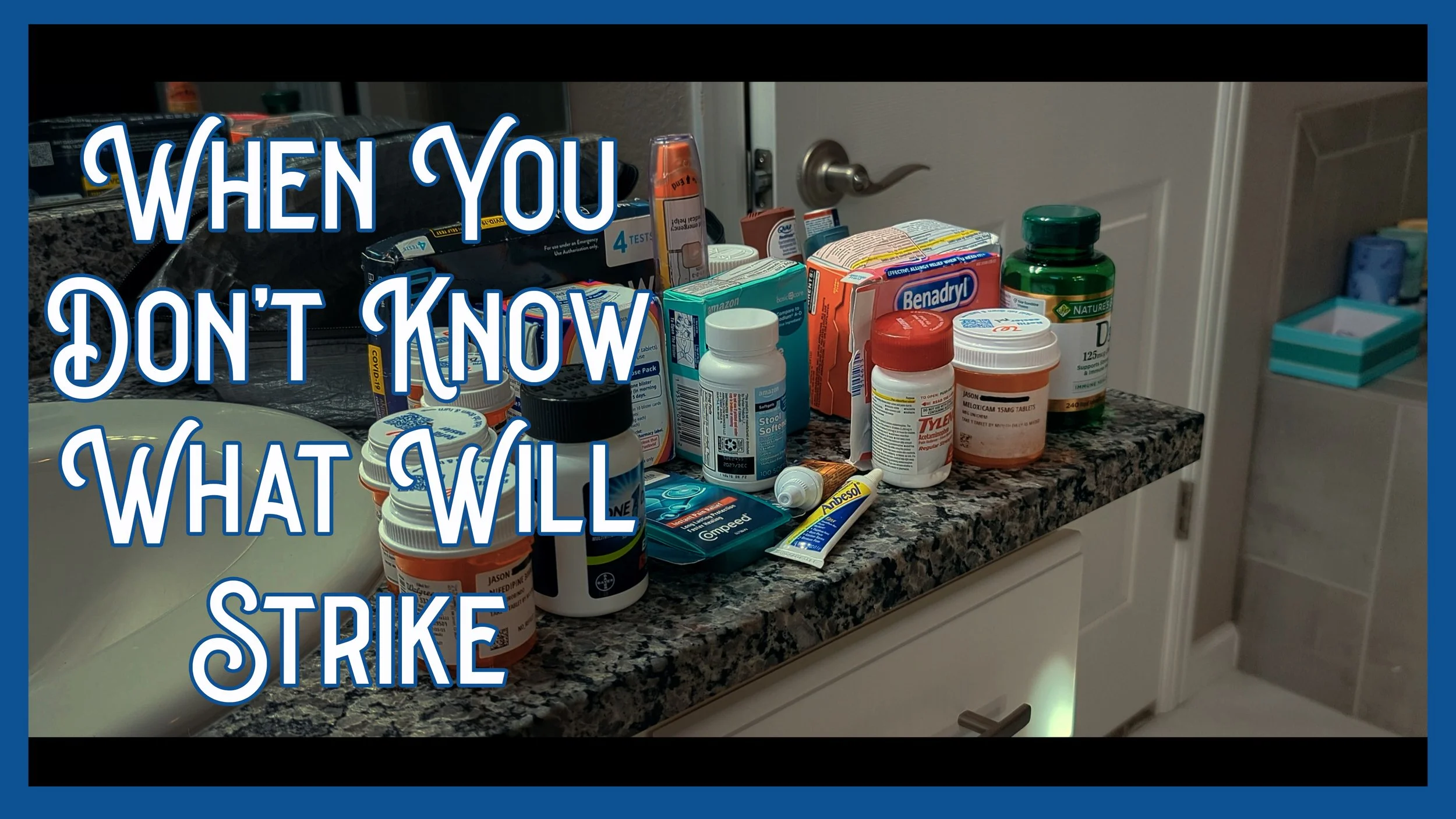
Do High-Altitude Climbers Really Need All These Medications?
I recently went on an expedition to Kyrgyzstan. In preparation for that trip, I needed to consult with my physician on the medications I might need for the travel and the rigors of climbing hard and climbing at altitude. Of course, my medications won't be right for you, so this breakdown of what I brought might be a starting point for a similar conversation with your physician, allowing the both of you to choose what may be right for you.

The Hidden Danger of Tramming (Climbing) Technique
On the way down from either an overhanging or traversing route, we can end up with a surprising danger right near the ground, when we typically feel safest. Let's talk about the hidden danger in tramming, or connecting ourselves to the belay's rope on descent so that we can stay close to the wall as we clean gear off of our route, and let's talk about what we can do about it.

Cutting Technora Climbing Cord: Fancy Cord Needs Fancy Cutting Techniques
Fibers with high-tensile-strength, resistance to cutting, and heat resistance are becoming more common in climbing cords and climbing ropes. Sterling PowerCord has a Technora core. The Mammut Core Protect has an aramid sheath between the outer sheath and the core. The Edelrid Swift Protect has aramid fibers woven into the sheath. Cutting these high tech cords and ropes aren't easily done using the old methods. So, here are two ways to cut these soft goods down that overcome the challenges of cut and heat resistance.

This One Belay Technique Helps Prevent Ice Climbing Accidents
In several videos, I have referred to my family using a fixed point lead belay in several occasions, but I have never really gotten into the topic. Well, here's a starting point, choosing an ice climb because there is good reason to lead belay from the anchor even when climbers don't have the weight differences that my young boys and I have. Here's a case study and our rationale about anchor choices and belay methods.
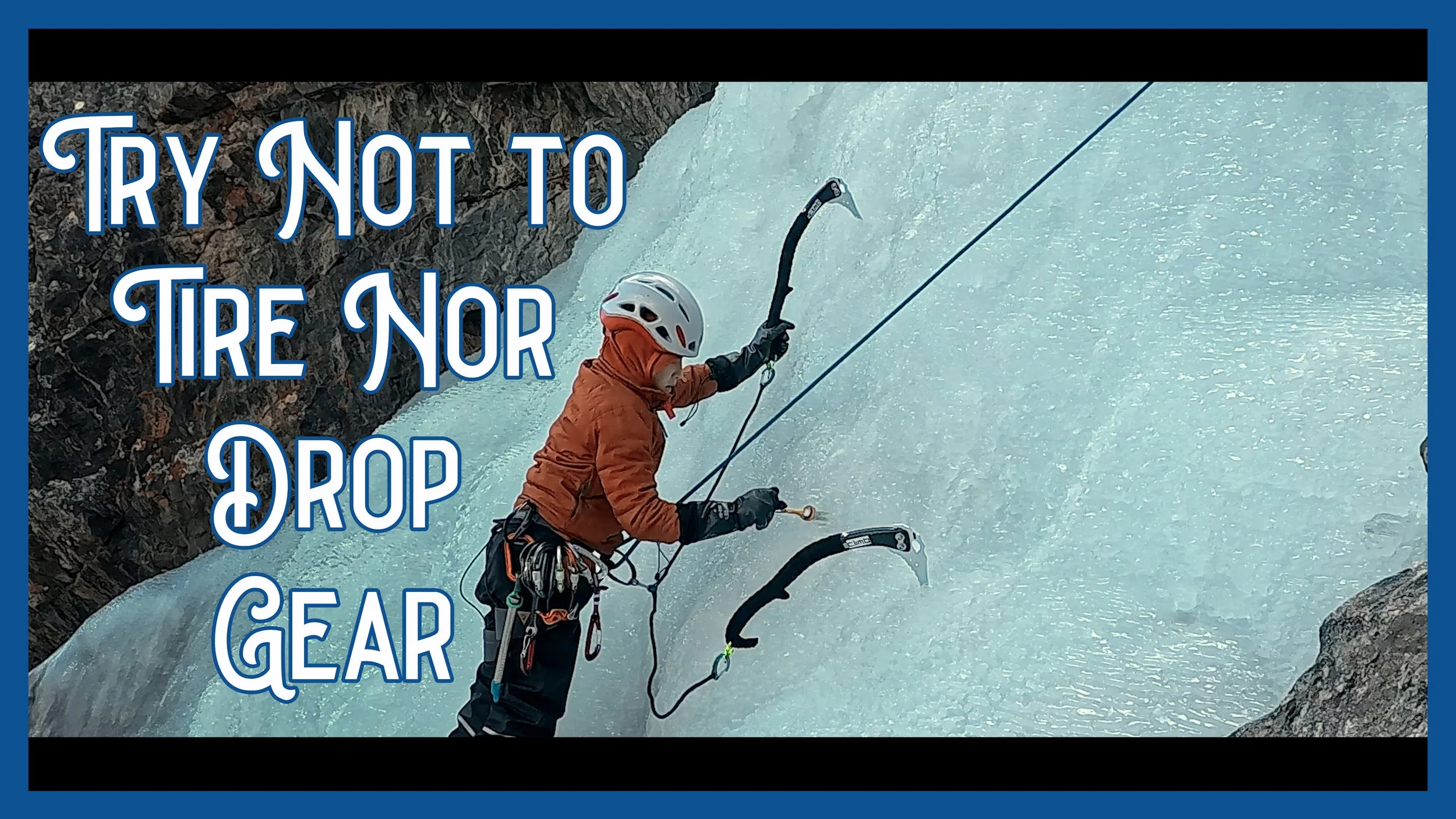
Ice Screw Removal Done Right | Ice Climbing
New multi-pitch ice climbers, like new multi-pitch rock climbers, often follow many pitches before they ever lead. Those who are brand new to following an ice climb might find the nuances of cleaning ice gear to be time consuming or energy sapping. Here's a video on why it might feel that way and how we can be our most efficient to reduce those negative impacts.
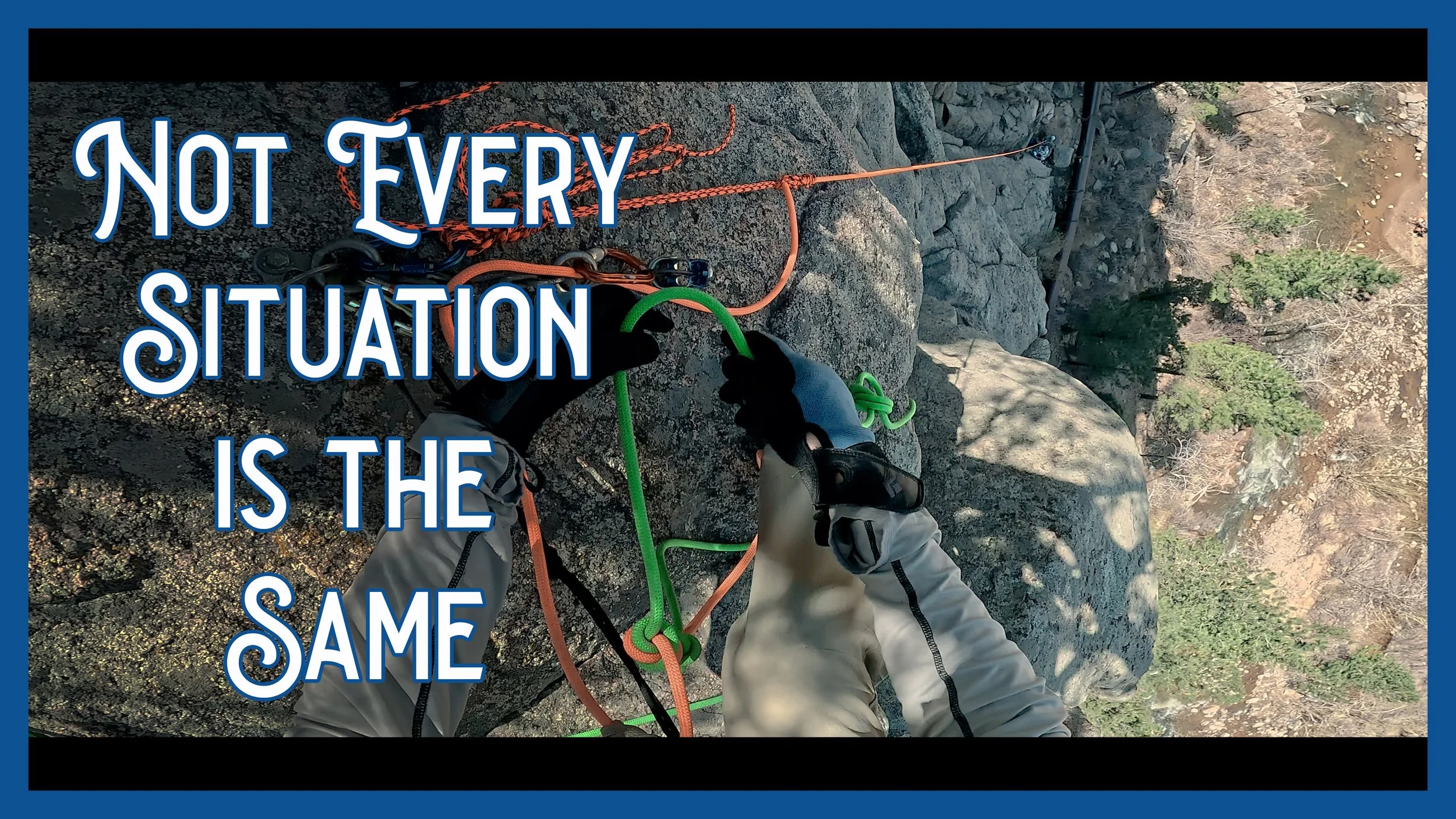
What Happens When You Use the Wrong Rope Joining Knot?
When and why might we want to choose a knot other than a flat overhand bend for joining two ropes in a climbing context? This video explores alternative knots for joining climbing ropes. We demonstrate various climbing scenarios and knot-tying techniques, providing a practical how to guide for recognizing situations when a standard flat overhand may not meet your needs along with alternatives you may want to employ, improving your climbing safety.
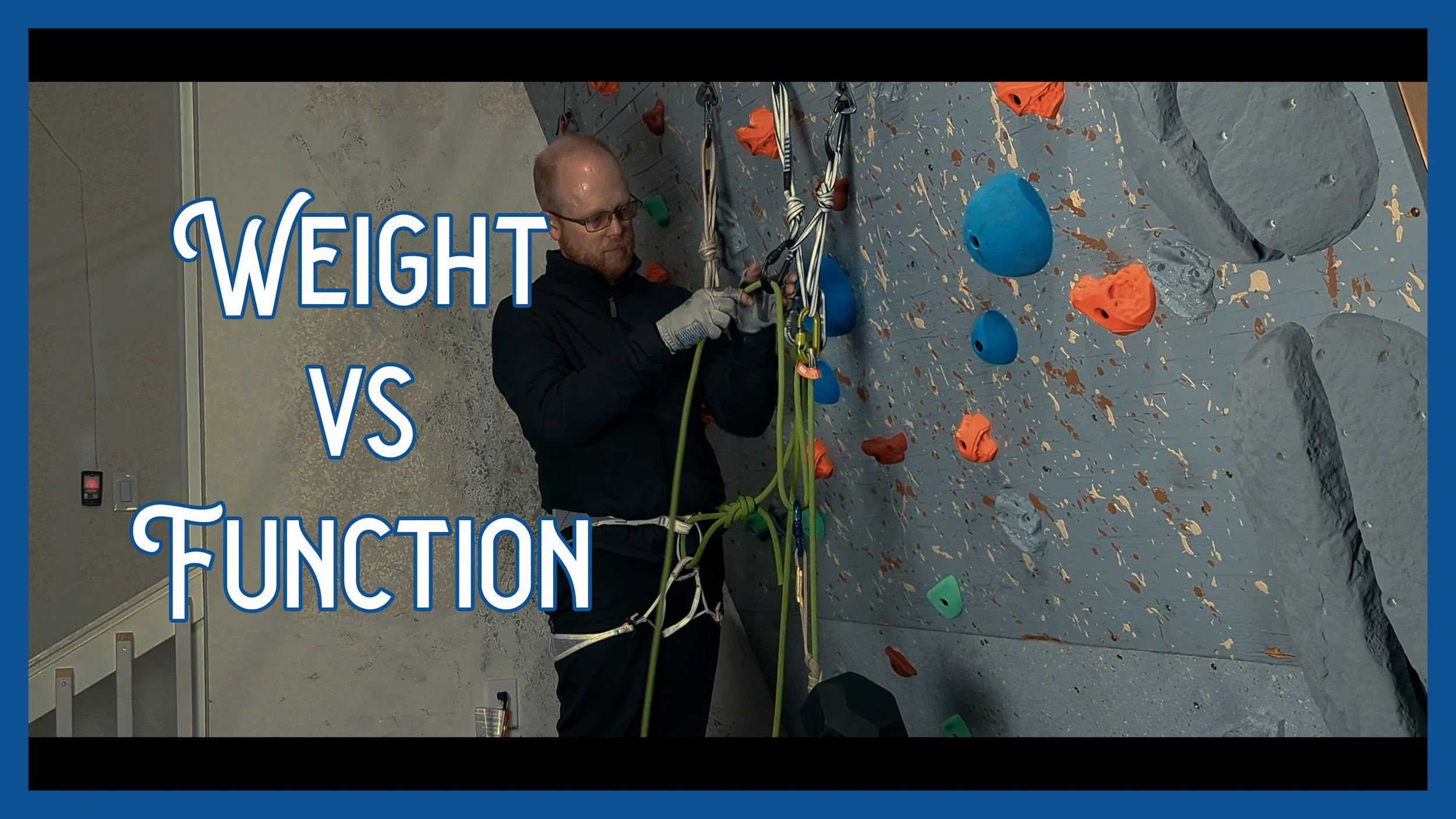
Tibloc for Crevasse Rescue? Master This Release Technique
I was asked if the very light weight Petzl Tibloc could be used as a rope capture for crevasse rescue systems? The answer is, 'yes,' but not without acknowledging that unweighting a Tibloc can be complicated. Here's a walkthrough of one procedure to transfer the load from a Tibloc and a discussion of how this may complicate crevasse rescue scenarios that need a lower.
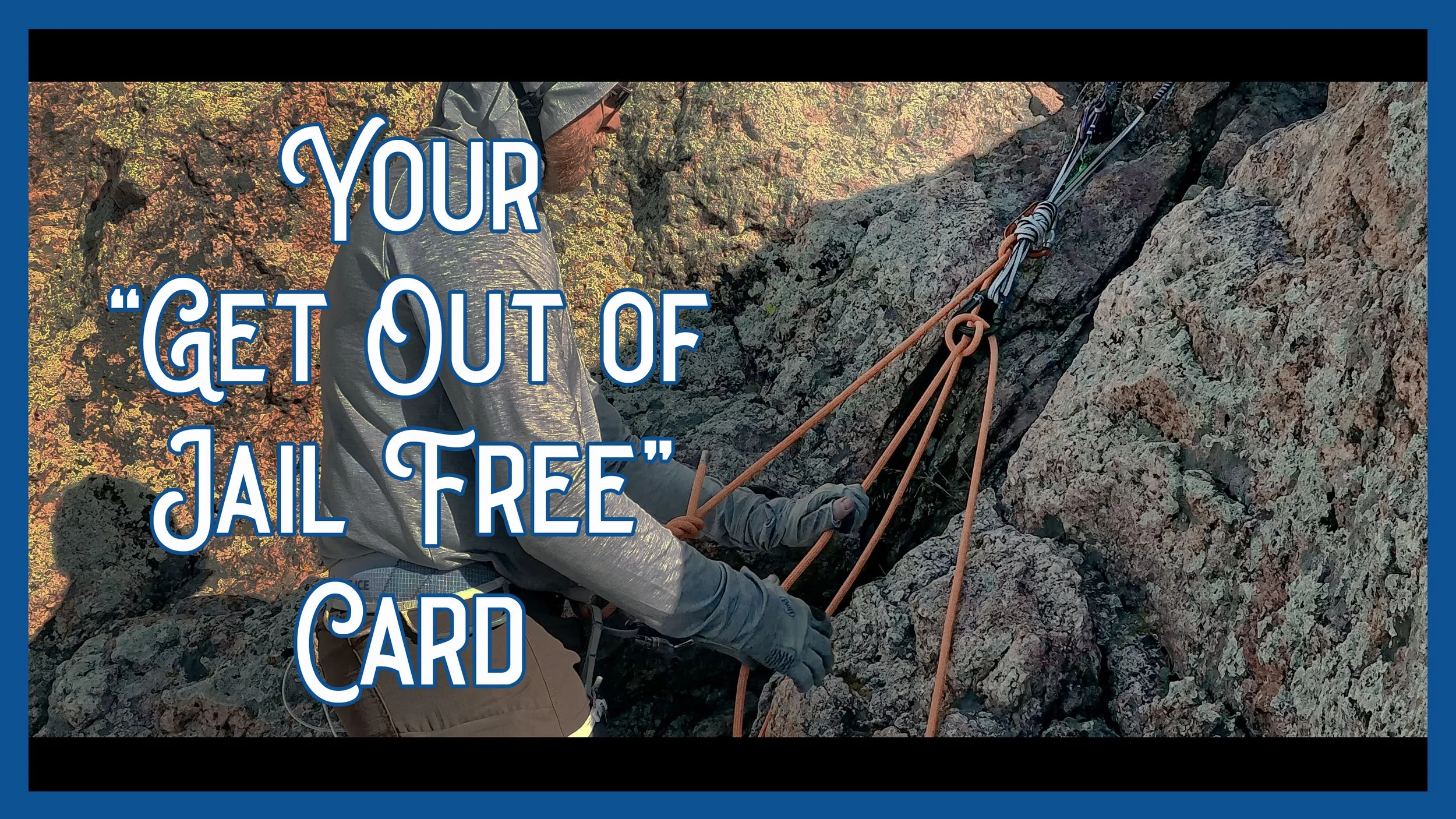
Münter Hitch Deep Dive - 5 Practical Applications Every Climber Needs
The Münter hitch can be very useful. While I typically am using more modern climbing equipment for various rappelling, belaying, and rescue techniques, I still have used just the rope, a carabiner, and the Münter from time to time and in lots of different ways. This video goes deep into the Münter by getting into different ways to tie it, different pros and cons of the hitch, and a full walk through and how-to for five types of use cases where the Münter could help us out of a jam.
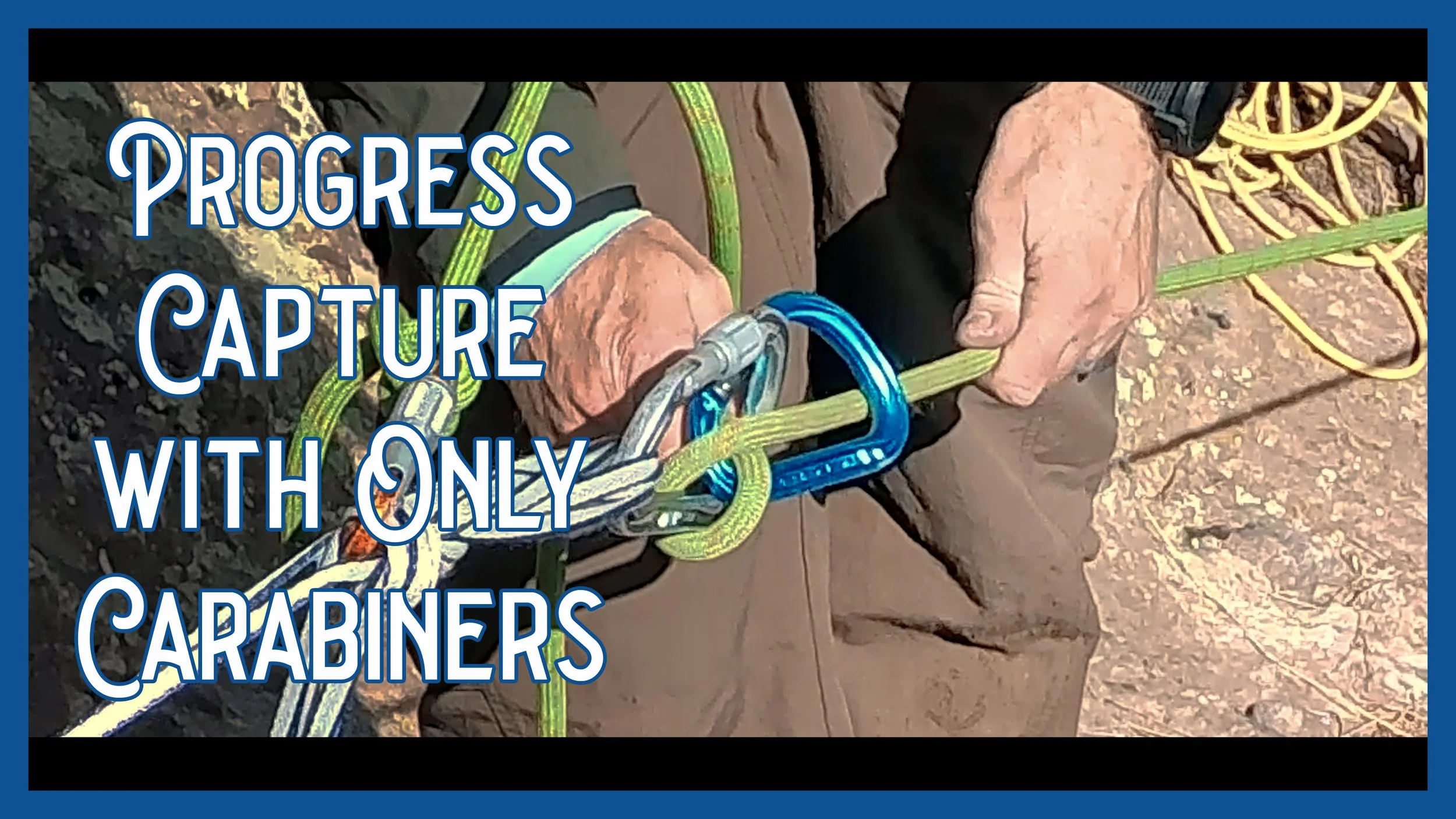
Lost Belay Device? TRY These Emergency Climbing Hacks!
Should we happen to have lost our belay device while still needing to climb, we may want to employ an auto-locking hitch to help with belays from the top or pack hauls or the like. The Garda, Lorenzi, and Auto-Locking Münter hitches are all options. Here is how to create them, how we might use them, and some pros and cons that come with each.
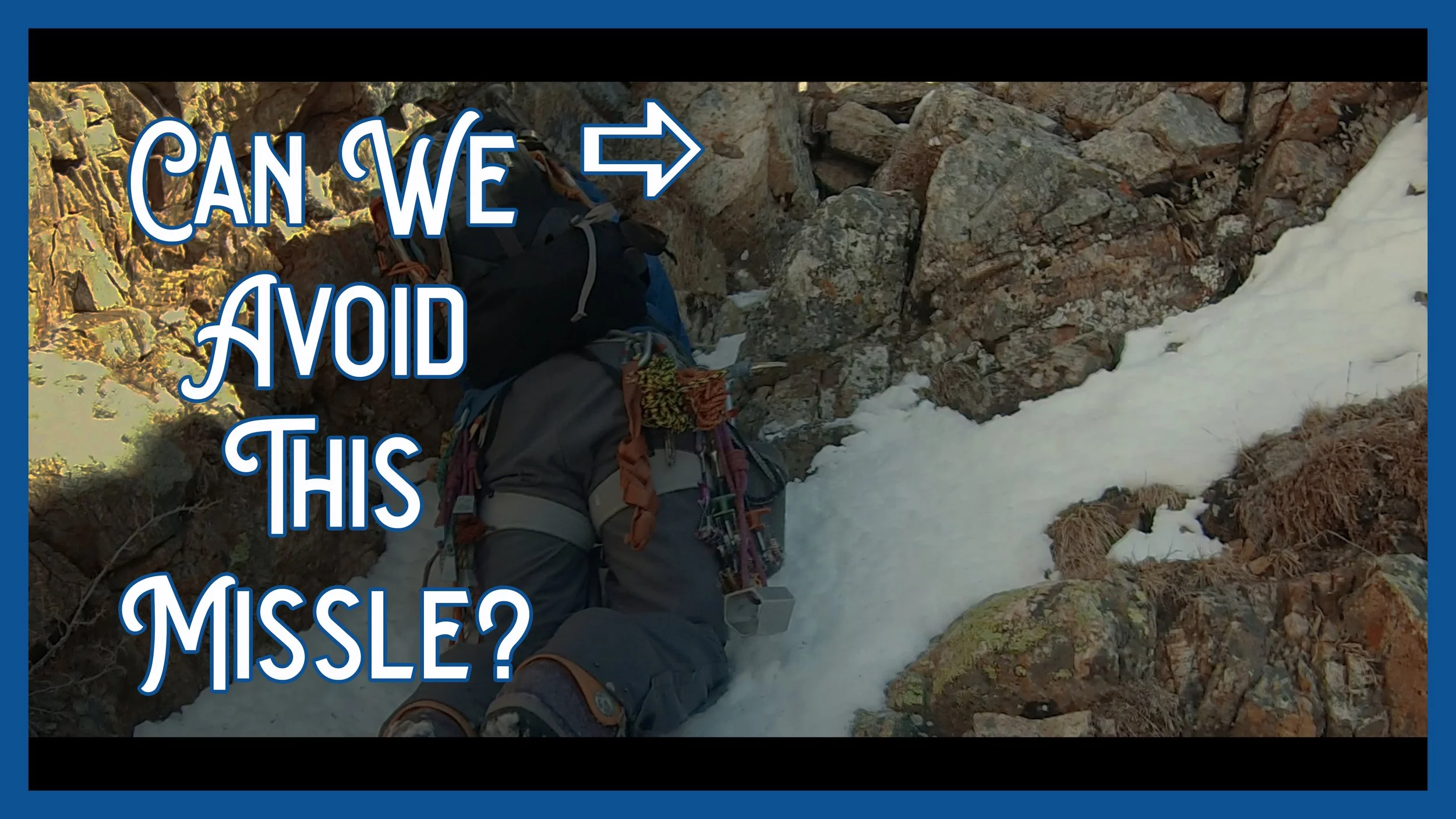
What You Need to Know to Avoid DEADLY Rockfall
If you go climbing in the alpine, and particularly in fully wild and maybe even unexplored areas, you are likely to be subjected to rockfall, and that rockfall can become fairly likely. So, how do we assess our terrain for rockfall risk, and then how do we mitigate that risk to keep our likelihood of getting hit by a rock low enough to feel acceptable?
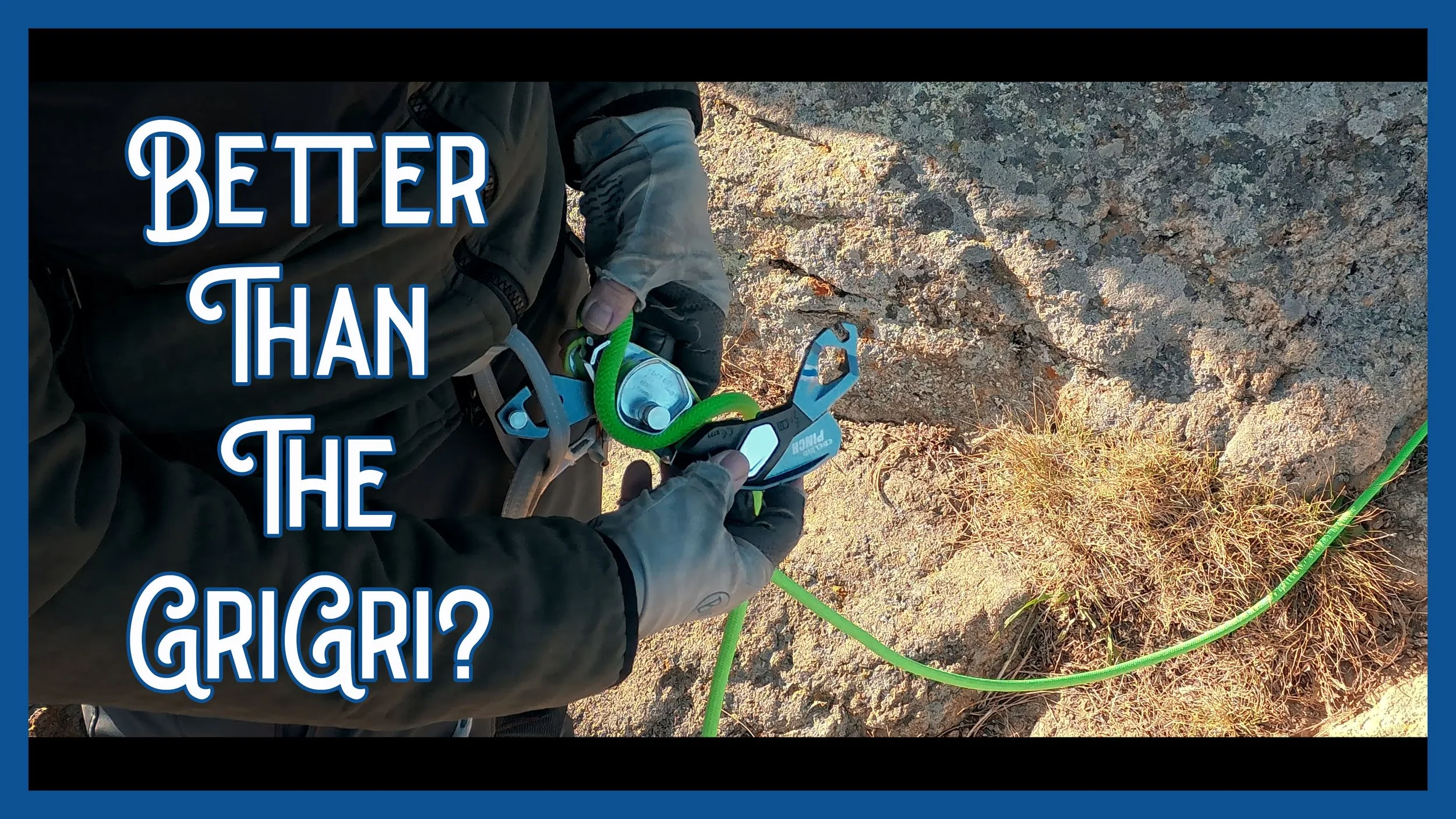
Two Break Assisting Belay Devices Enter, One Will Leave!
I have been using the Edelrid Pinch break assisting belay device long enough now to have some perspective on the specifications and features that truly distinguish it from the Petzl Grigri. This video goes more deeply into a comparison. I have come to reach for the Pinch, first, in certain applications, but not for all of my climbing. Here's why.
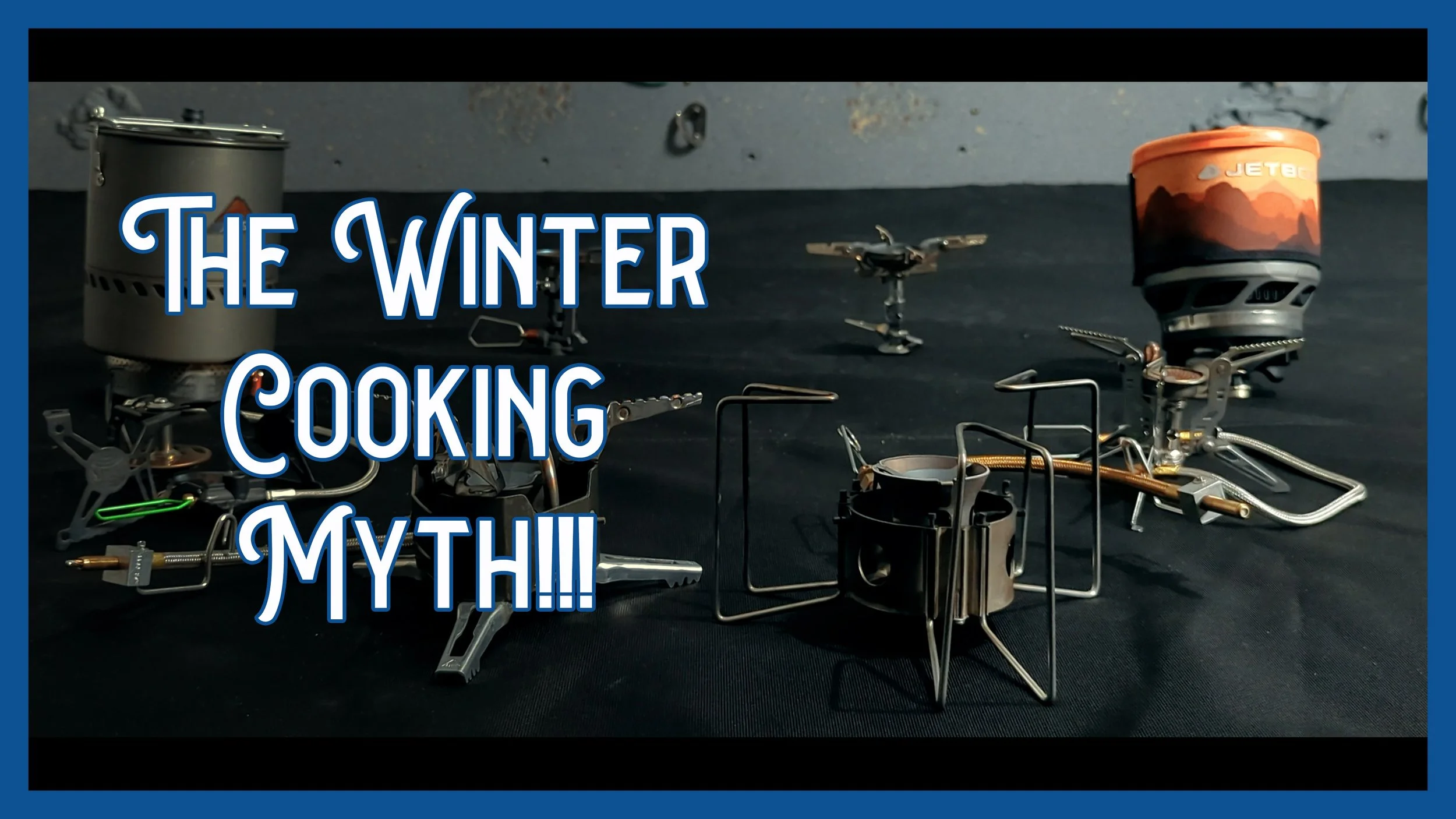
Winter Stove Test Results Will Surprise You!
I hear that canister stoves don't work in the cold a lot. But I've also used canister stoves in the cold a lot, and so have many other climbing teams who head to the coldest corners of the globe. However, it could be that there are times that canister stoves make more sense and times liquid-fuel stoves are a better option. This test of eight different stoves sheds some light on how the knocks on canister stoves are overstated as well as circumstances where liquid-fuel stoves might make a better choice.