
Short clips
Trailers to full length videos and stand-alone quick tips; everything we make that is under 60 seconds
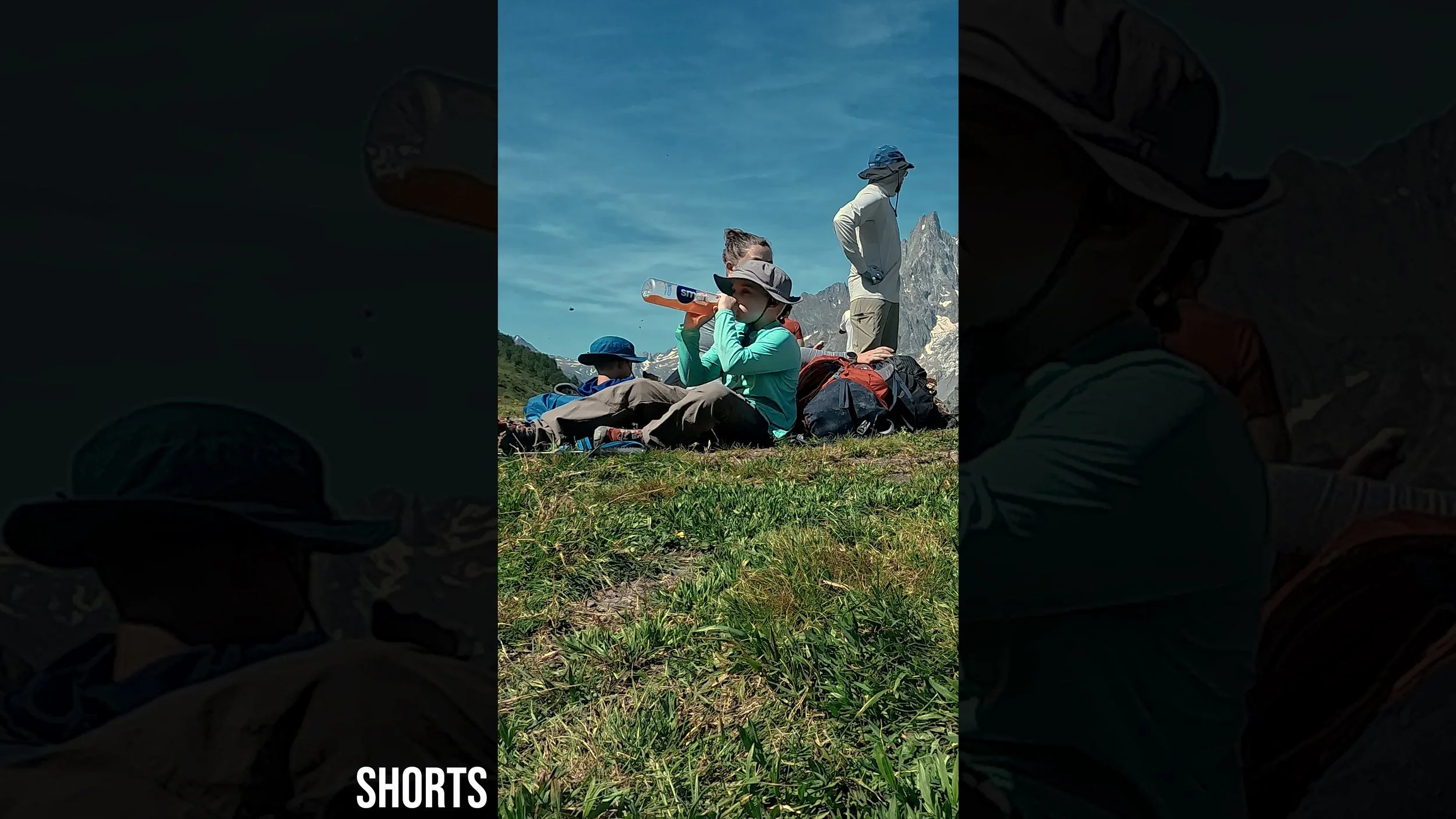
Endurance Athletes Swear By This Carb Trick
The scientific literature is starting to point to endurance benefits for getting carbohydrates in our mouths - not even ingesting carbs - when seeking endurance sport performance benefits. Here's a snapshot of what we know and how we can take advantage on our climbs.
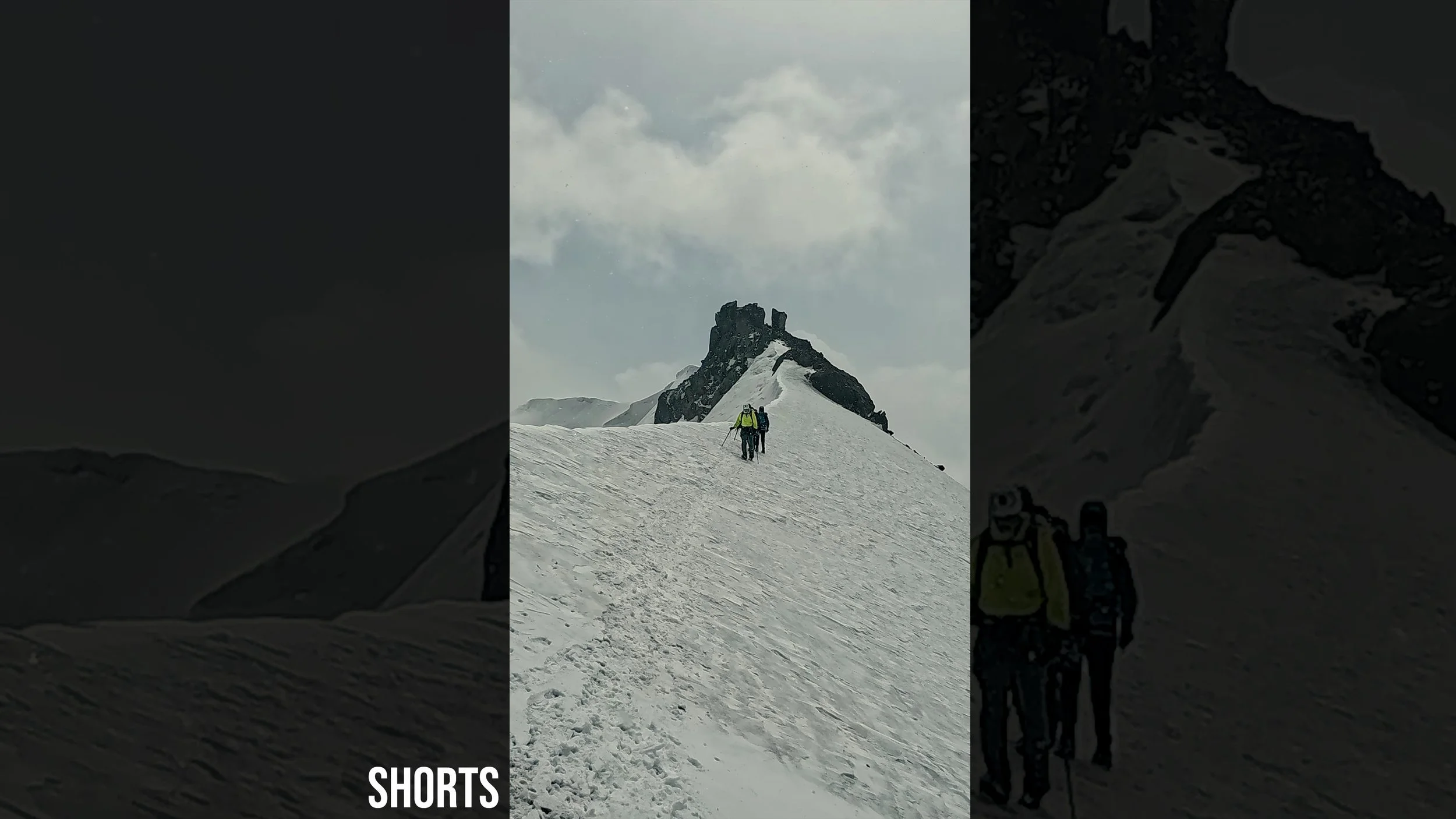
One Mistake on This Ridge and You're Gone
Winter and spring climbing often takes us to ridges where we can mitigate against avalanche danger by walking above the terrain hazard. But while on that ridge, we may be facing another danger: cornice falls. Here's some of the things to consider as we navigate loaded snow sitting on top of the ridge instead of below it.
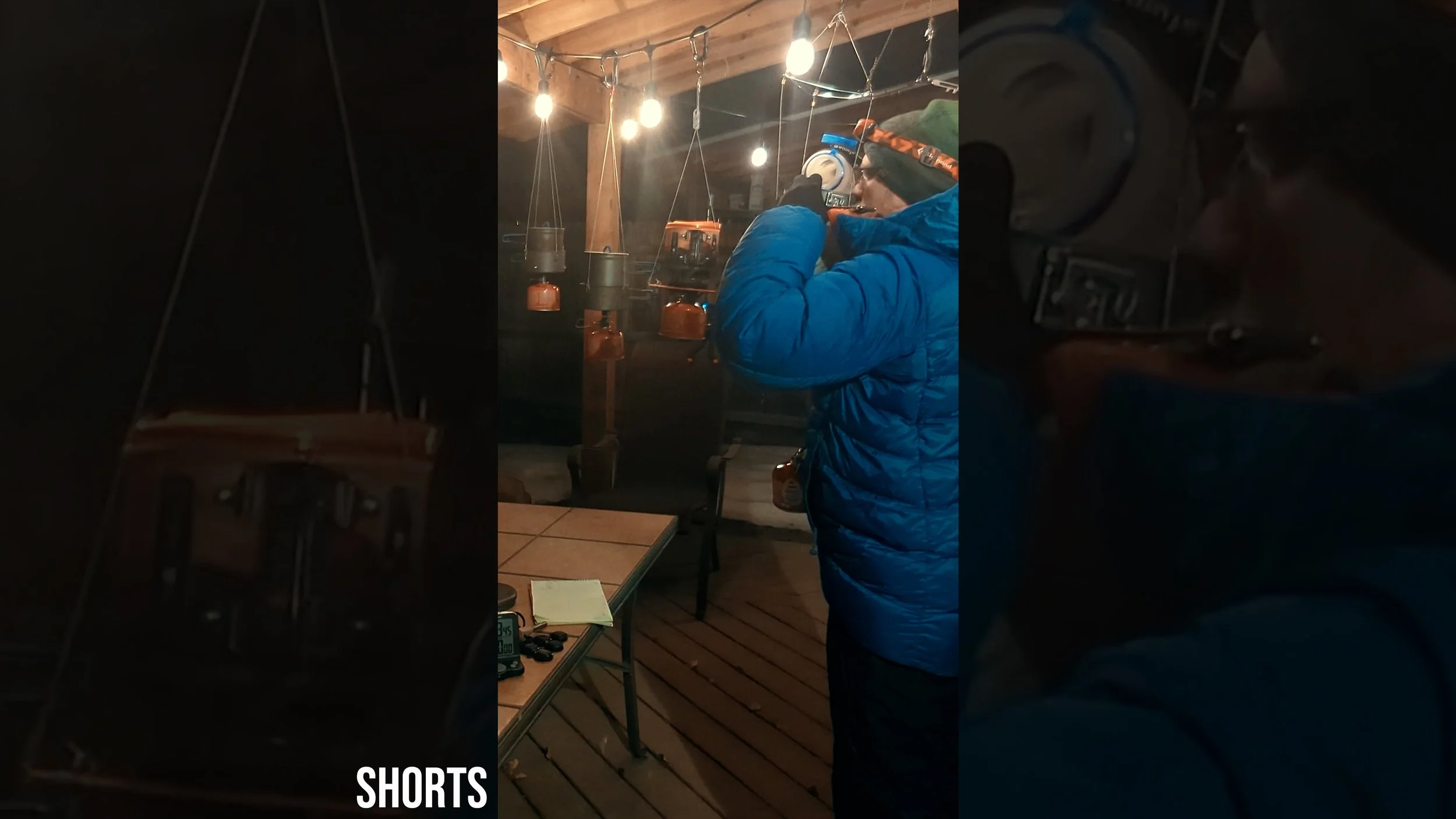
No Axe, No Problem?
Self arrest is a very necessary climbing skill if we are on moderate angled snow slopes like snow-filled gullies, or couloirs, or ridge walks above sloping mountain faces. That technique, at its best, demands proper use of an ice axe, but if we don't have or have dropped our axe, we shouldn't just give up. As a last-ditch effort to avoid having a slip become a fall, the full video gets into details on how and when to apply three techniques that don't require an ice axe.
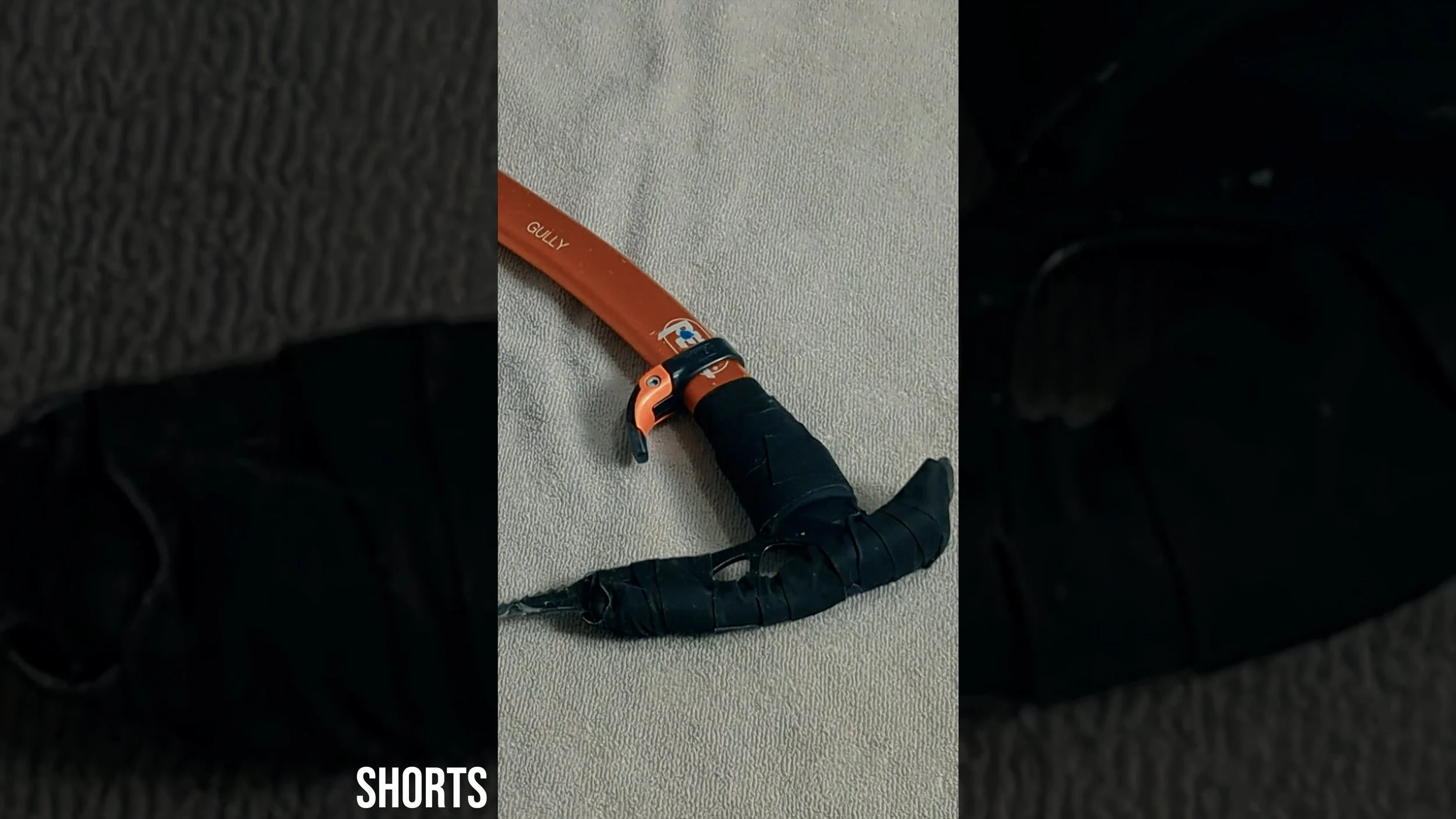
This Ice Axe Hack Keeps Your Hands Warm
Ice Axes, when made of metal, will conduct the cold from the snow and environment around us. There are options that are less conductive, like carbon fiber, but we may want to keep using a robust metal axe for use with certain techniques. So, what can we do to reduce the cold from that axe that is freezing our hands?
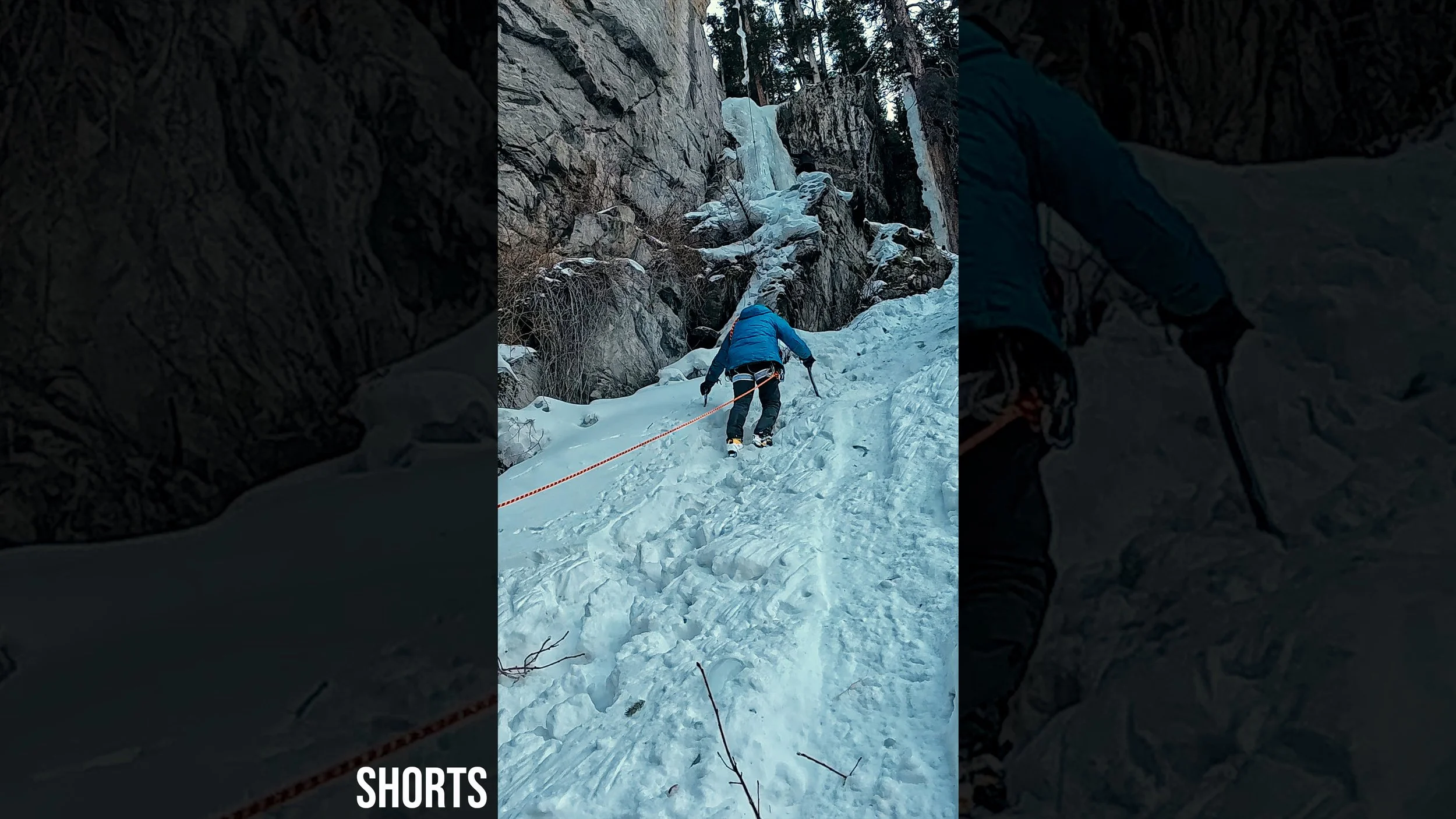
One Extra Axe on Snowy Terrain
If we decide that end roping may be the right method for taking on moderately technical snow terrain on a climb, we may want to pack one axe more than we have climbers. It offers up some flexibility in deploying our end roping system. The full length video goes deeper into why and how.
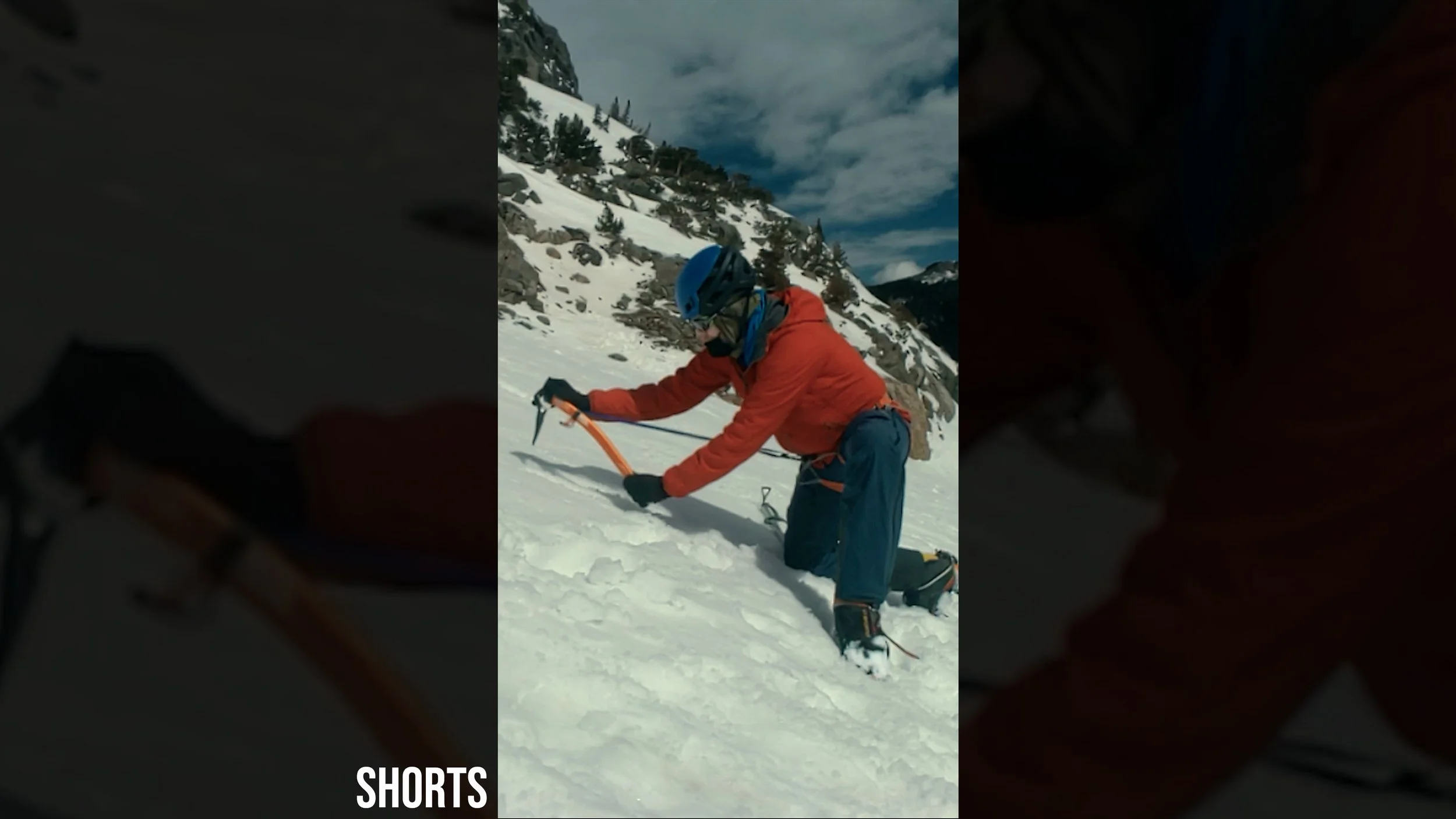
How to Choose the Right Ice Axe Pick Curve
If you are new to winter climbing, you might be thinking about what type of ice axe you will need. Well, one major component of axe design is the curve of the pick. Downward curving picks stand in contrast to pick curves that start bending downwards and then reverse and curve back up at the end. Here's how those curves help and hinder different types of climbing.
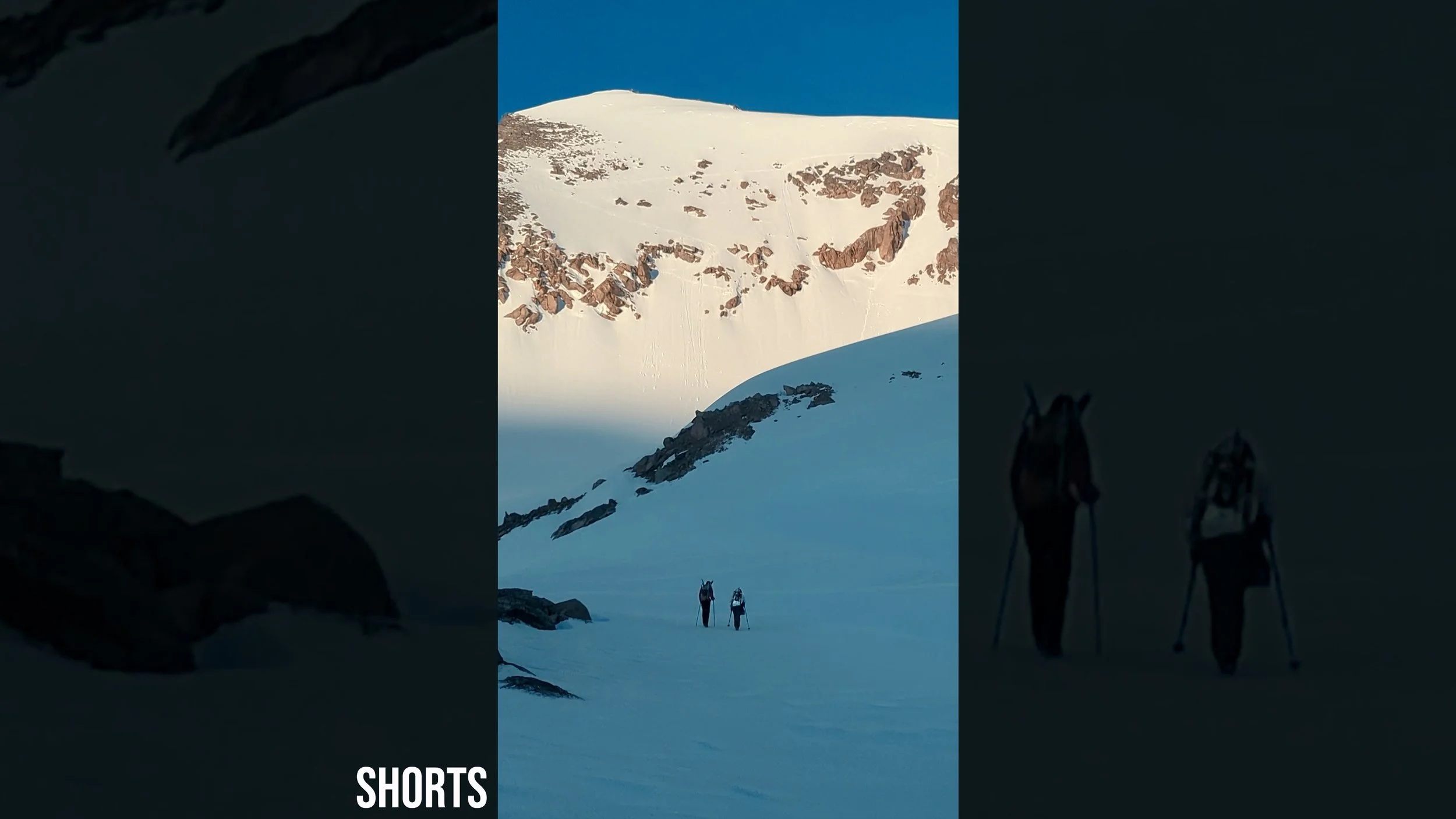
Rope System Choices on Snow and Glaciers
When we are climbing on snow or a glacier, we may have to consider rope systems for both crevasse falls and the more standard falls that simply come from difficult climbing moves. Factor in maintaining a pace that can get us to the summit and back before conditions deteriorate, and we have a lot to consider. The full video goes deeper into how I begin to approach that complexity.
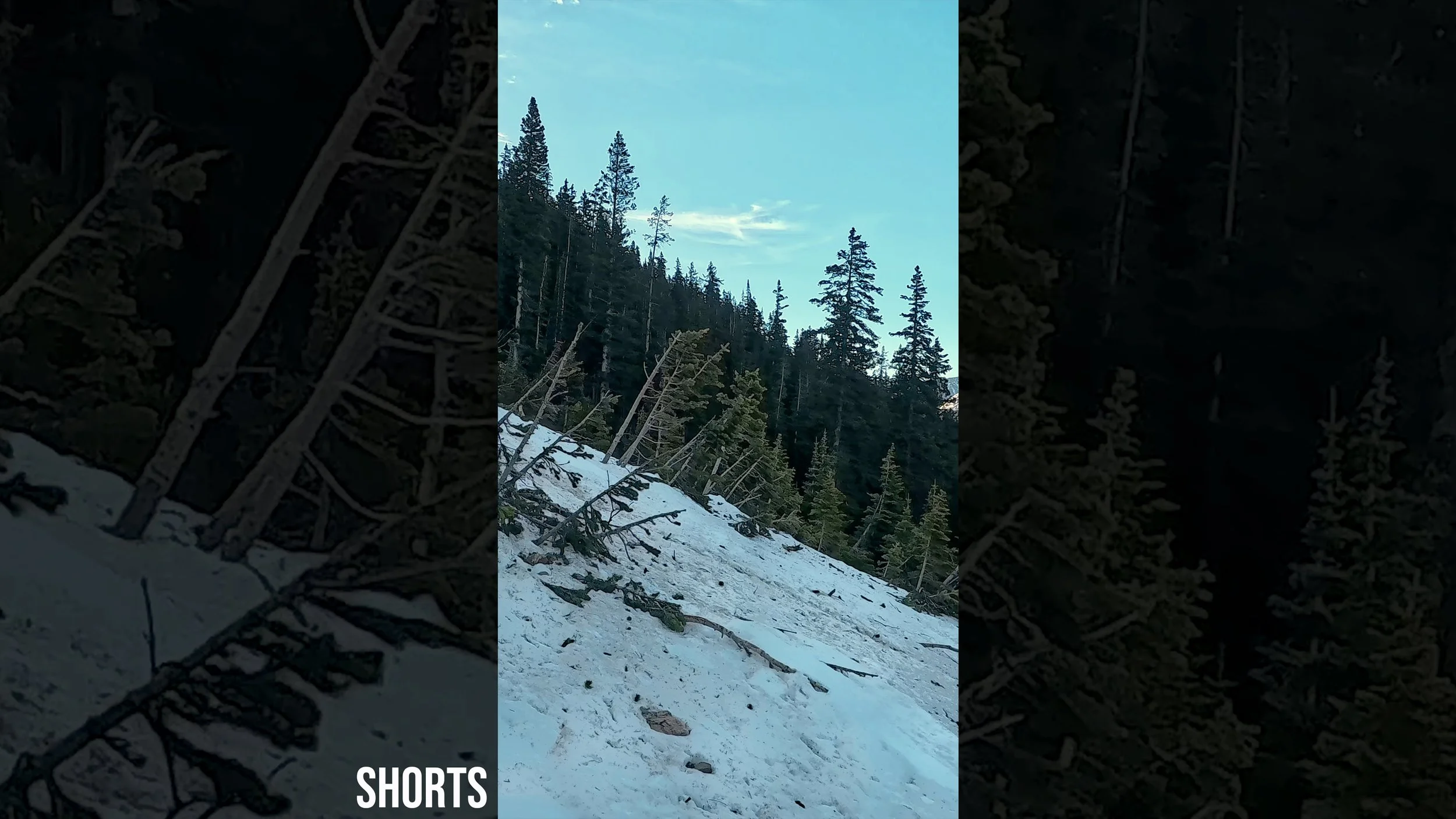
Avalanche Season Isn't Over
When the snow has stopped falling in town, the mountains can still have considerable avalanche danger. Snow could still be falling up high. Winds could be shifting new snow onto loaded slopes. So, as we get out to snowshoe, hike, and climb, we will want to take seriously both planning routes that avoid the most dangerous slopes and also make sure we get educated about avalanche safety.
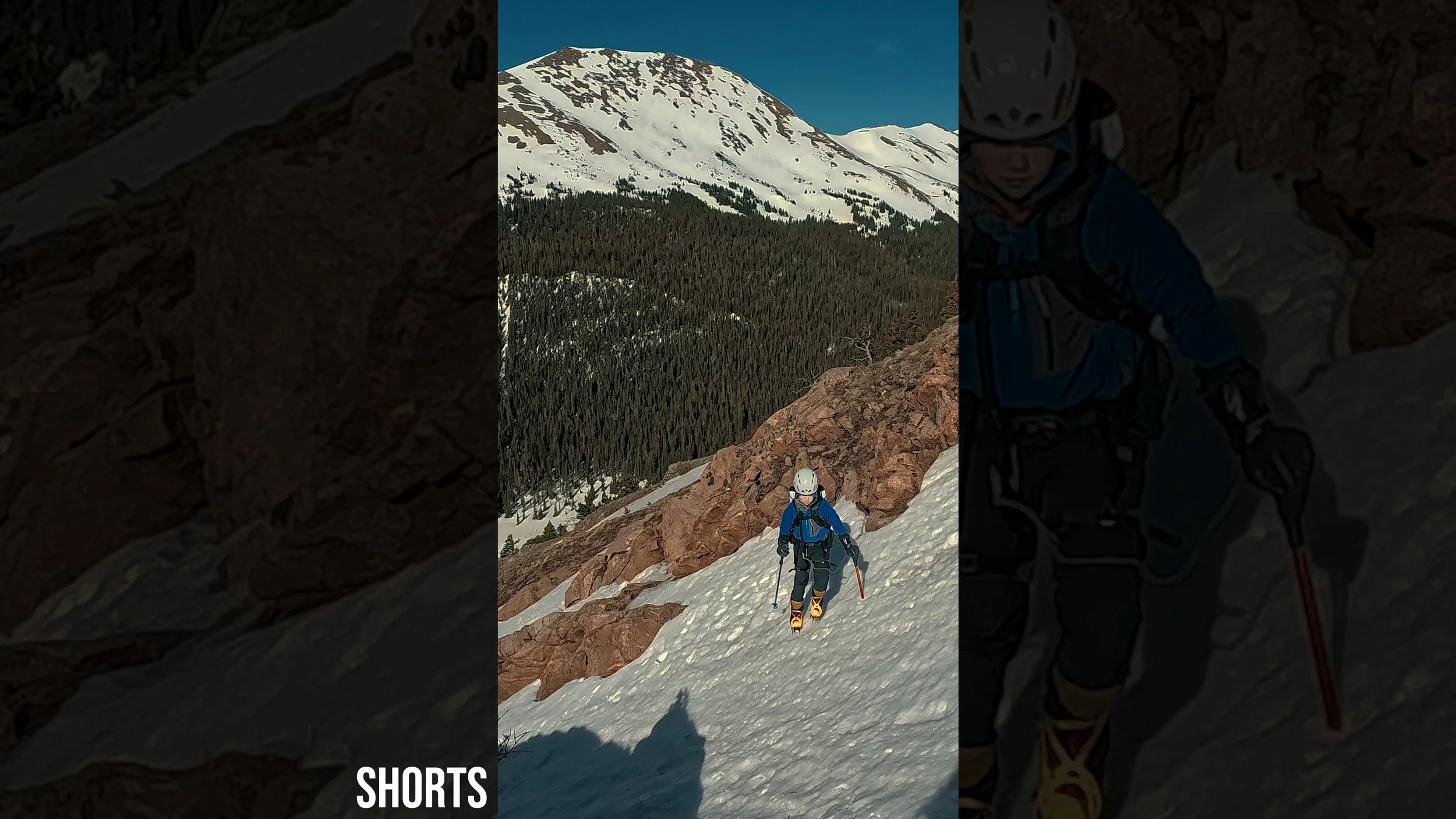
The Rope Team Mistake That Cascades Into Disaster
When we cross crevassed terrain, we often rope together to allow us, as a team, to catch a fall of a teammate. But that same strategy of being roped together might compound risk, not reduce it, if we use it on standard snow slopes. The full video goes deeper into why and the pros and cons of other choices we might make to alter our safety systems for the better.
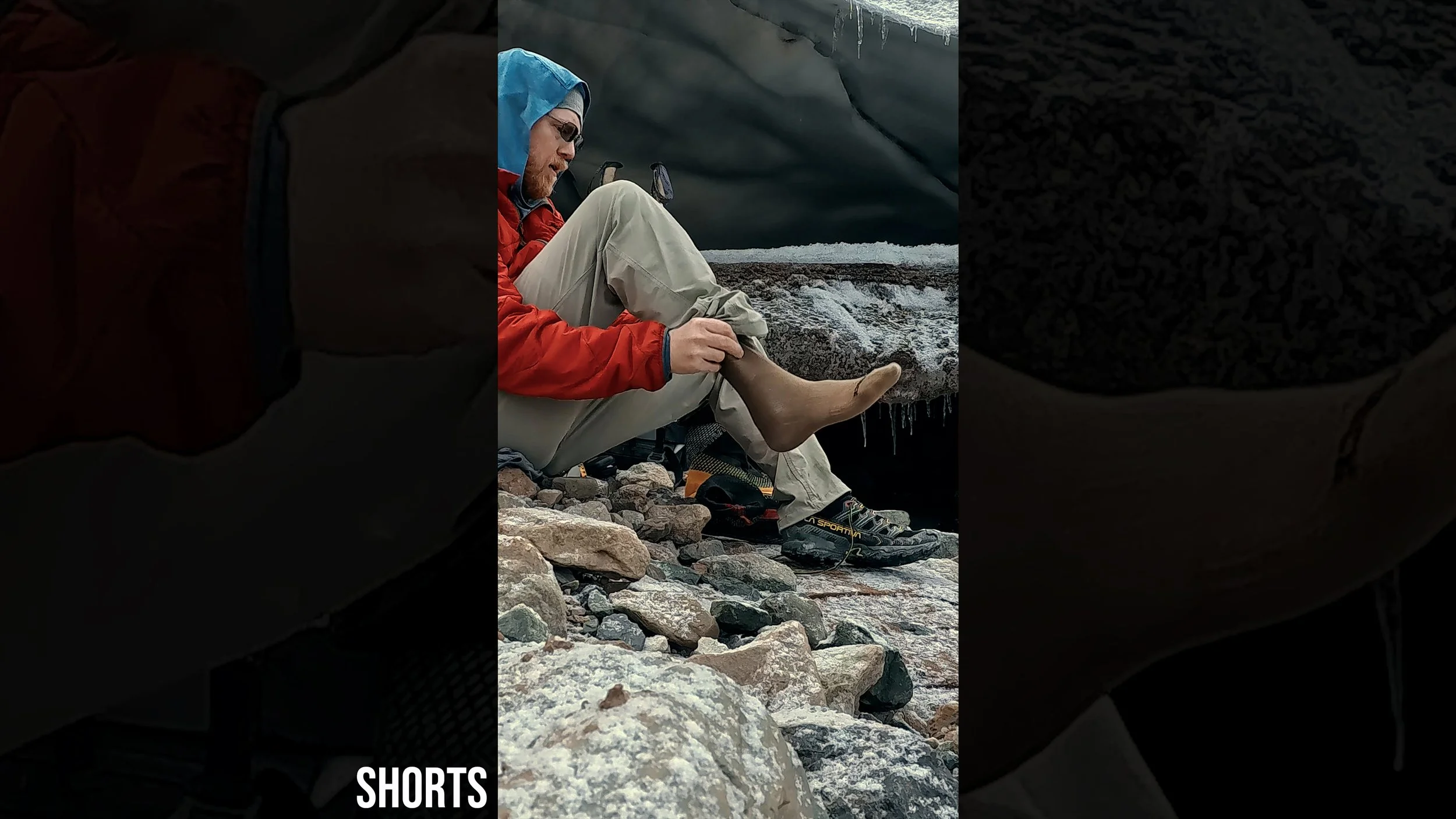
Don't Let Foot Problems Derail Your Next Adventure
When we are out for more than a few days, backpacking or on expedition, our feet support each and every step. When it comes to foot pain, what starts out as minor discomfort can start a cascade of increasingly severe issues. So, while it may be tempting to hold off treating a minor issue, we never know when the minor issue can be a precursor to more inhibiting problems.
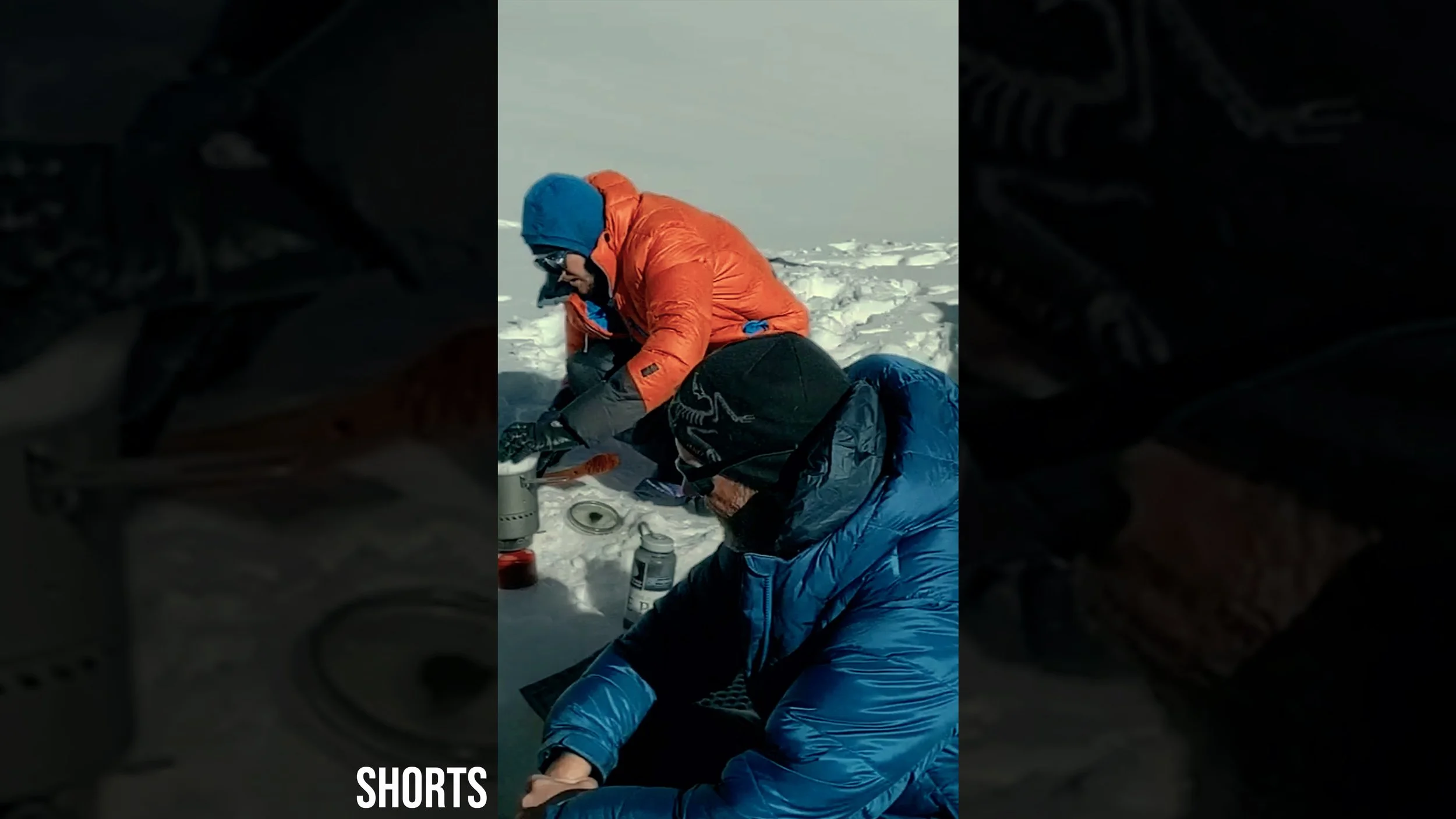
Preview the FDA's Surprise Frostbite Approval | The Numbers Are Shocking
A drug that has been used for years to treat pulmonary hypertension has also been used for years in Canada and Europe to help with frostbite. Well, the FDA fairly recently approved its use in the United States, so full video gets into the evidence we have to support its use as well as some of the shortcomings of the supporting studies.
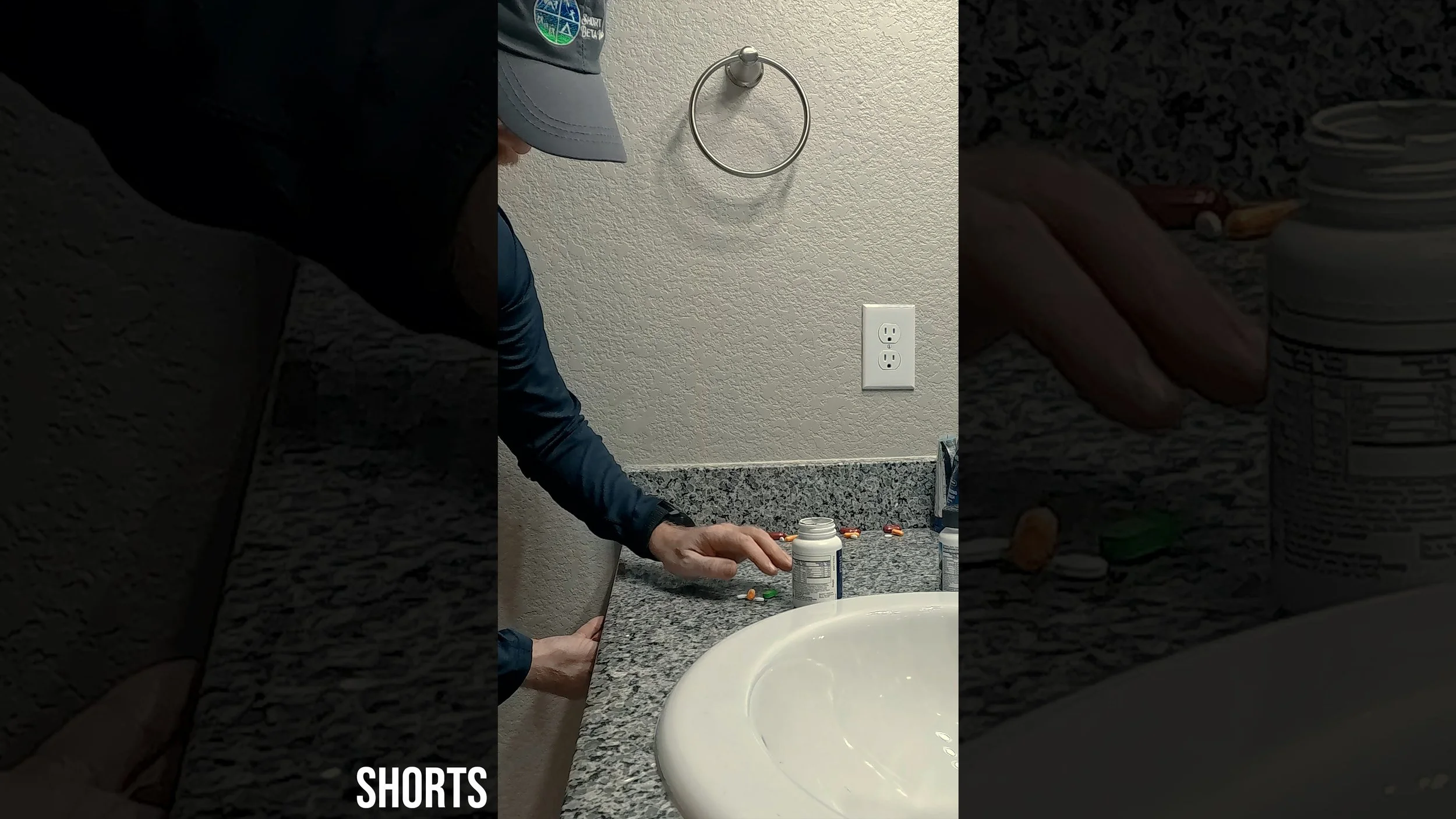
Don't Take These Medications When High Altitude Climbing
When we are climbing, camping, or hiking at higher altitudes, we want to do what we can to acclimatize well, helping our body adjust to the less oxygen we take in with each breath. According to respected physicians, like Dr. Peter Hackett, we want to avoid certain sleep aid medications that slow our respiration rate, making acclimatization even more difficult.
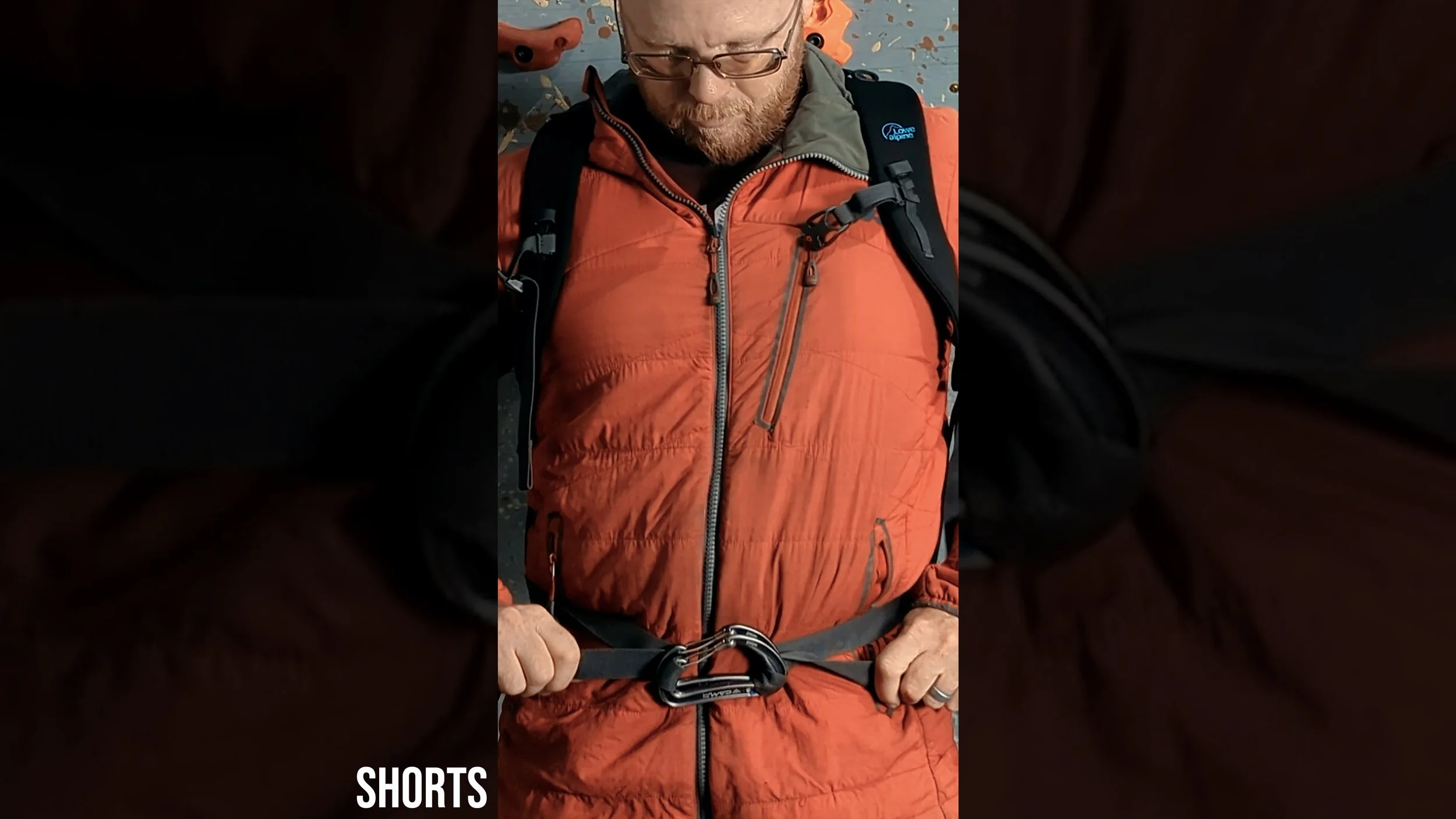
Backpack Buckle BROKE? Try This Simple Fix!
If we've had the waist strap buckle on our backpack break, we can fix this in a minute using two carabiners we likely already have on our harness. It's enough to get you through the climb, or even the expedition, if you are away from the shops you need to get a replacement buckle.

One Big Difference Between Climbing and Backpacking Packs
There is nothing that says you can climb with a backpacking park nor backpack with a climbing pack, but they have differing features for specific reasons. I got asked about why climbing packs have zippered pockets in their hoods (or brains), and it has a lot to do with having a secure place to get to items without having to go through all your items.

Is This The Best Backpack For Big Adventures?
After one year of use and one big expedition in Asia, I've learned enough about the Samaya Ultra 60 pack. The full video goes deeper into what I've found to be the pros and cons along with a few modifications I've made to my pack.

Don't Make This MISTAKE on Your Next Mountain Climb
Just like there is a difference between climate and weather, there is a difference between today’s weather and weather patterns. When we climb in a new area, understanding that difference, can help us strategize our ascents. Various local communities can be a fountain of information in this regard.

How To Outsmart Dangerous Storm Clouds!
One of the most dangerous hazards in the mountains is lightning. Here's how we can use some facts about lightning, and some very simple math, to help assess our risk when we see the clouds roll in and start hearing thunder.

Preview to: Can Your Climbing Trip Plan Save Your Life?
A trip plan can keep you and your climbing partners on the same page but also can help your loved ones deal with any emergencies that might arise. So, what can we put in our trip plans to ensure we meet these needs? The full video goes into more detail.

Sidestepping Downhill Will SAVE Your Quadriceps
Descending from mountain summits can feel like an endless set of steps that can greatly fatigue our quadriceps (thigh muscles) above the knee. By switching up our plane of motion, we can recruit other muscle groups to help give our quadriceps a break.

How Fast Should We Ascend if We Want to Acclimatize? Preview to a Deep Dive
Whether going from sea level to moderate altitude or from moderate altitude to high altitude, our bodies need time - and water - to adjust and adapt to the reduced oxygen we will take in. The full video gives an overview of the physiology, the potential illnesses, and the preventative tactics that all come into play when we experience significant altitude changes.